









Adults leave a lot behind us when we grow out of our youth. All-night study sessions. Student discounts. Your former metabolism. For all that, it would be great if we could leave acne behind, too, but some of us just aren’t that lucky. Many adults struggle with acne — especially women — and it can be just as frustrating now as it was in high school.
The good news is that as an adult, you’re probably better equipped to understand the what, the why, and the what to do of adult acne so you can effectively treat it and get it under control.
What adult acne looks like
Unfortunately, you may be pretty well acquainted with what adult acne looks like: It generally appears on the lower face, jawline, and neck. It can include deeper, more inflamed pimples that hang around longer than teen acne tends to do. And your breakouts may feel tender, take longer to heal, and sometimes leave behind dark marks or uneven texture. So, similar to teen acne, but in some ways worse.
Why is this happening?

In many ways, adult acne has the same root causes of teen acne: excess oil, clogged pores, and acne-causing bacteria. And many triggers of acne are the same. But adulthood can add extra challenges to manage.
Hormonal changes. Shifts in estrogen, progesterone, and androgens can all affect oil production, leading to new or worsening breakouts. This is why so many people notice perimenopause or menopause acne — when hormone levels fluctuate wildly, the skin reacts.
Stress. Chronic stress boosts cortisol, which increases oil production and inflammation. The result? Surprise breakouts that seem to show up right when you need them least.
Lifestyle factors. Makeup, skincare products, tight clothing, and even your phone screen can contribute to clogged pores and breakouts.
Underlying medical issues. Conditions like polycystic ovary syndrome (PCOS) or thyroid disorders can play a role in persistent adult acne.
How to treat your adult acne

The best adult acne treatment calls for consistency, patience, and products designed to balance, rather than strip, your skin. The products you relied on when you were younger might be too harsh for your skin now. Here’s what dermatologists often recommend:
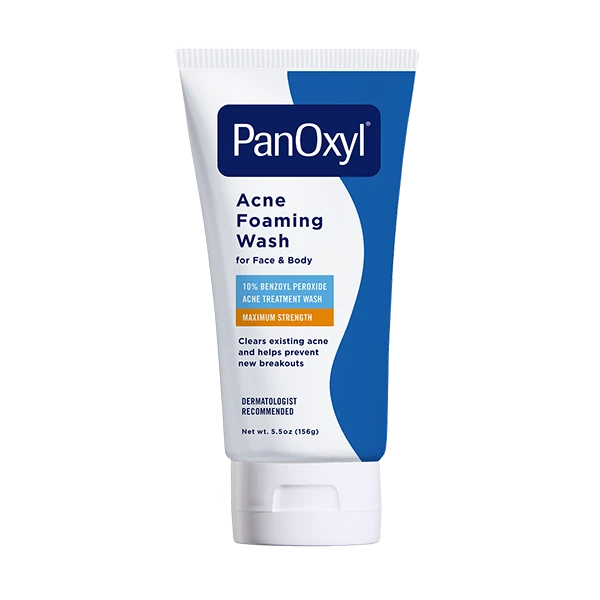
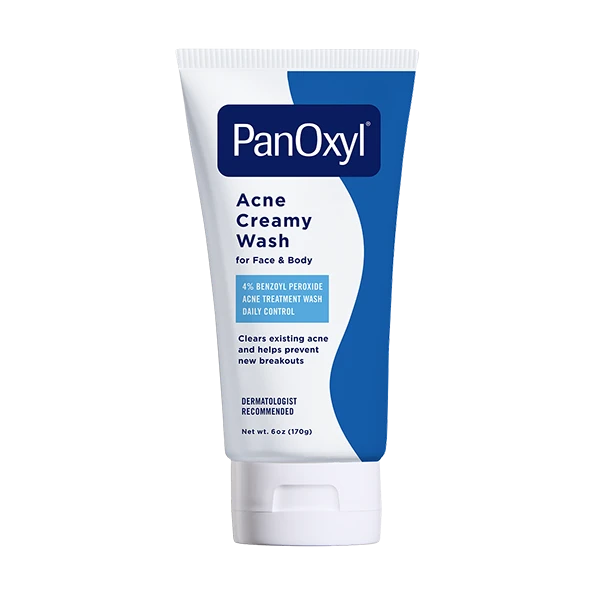
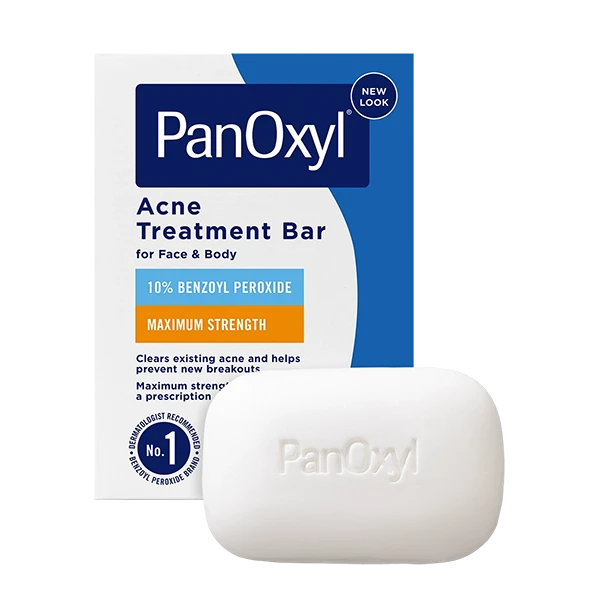
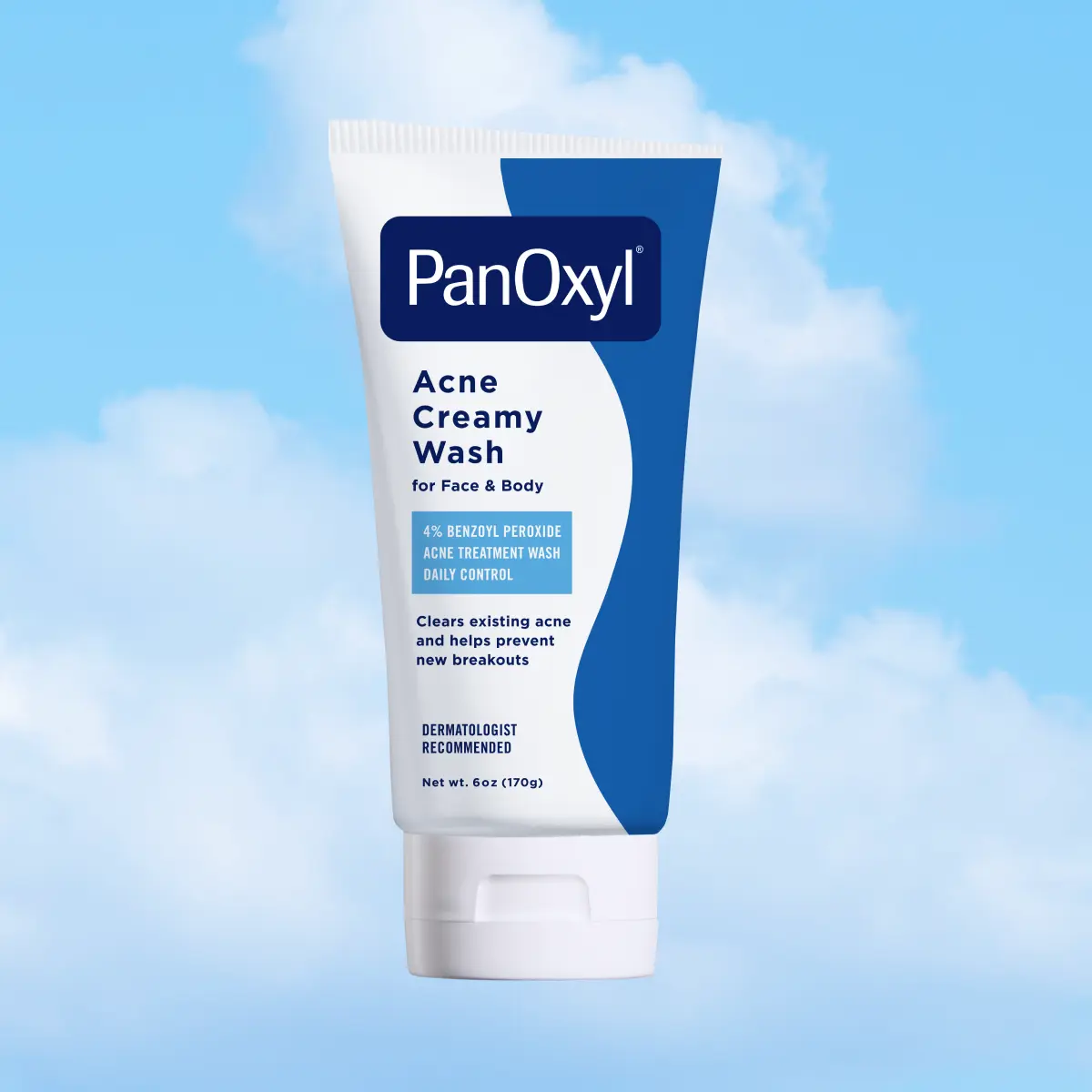
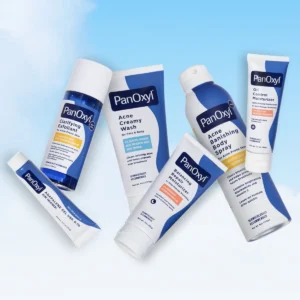
Cleanse with care. If you wear makeup, you’ll want to include double cleansing in your skincare routine — remove your makeup first before going on to treat your acne. Do that with a gentle but effective wash that clears pores without over-drying. A formula with Salicylic Acid, like PanOxyl’s Acne Gel Wash, can help exfoliate and unclog pores without drying.
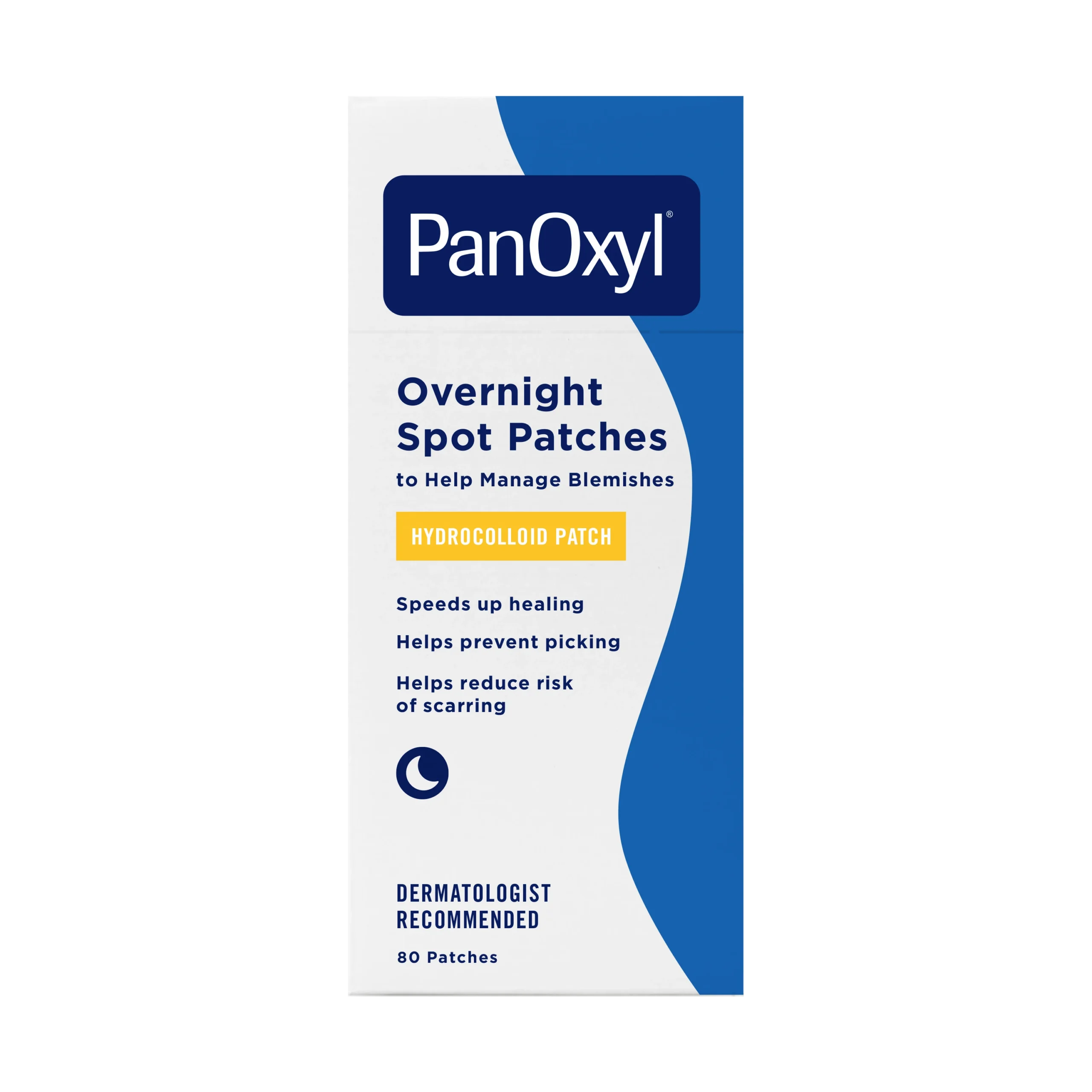
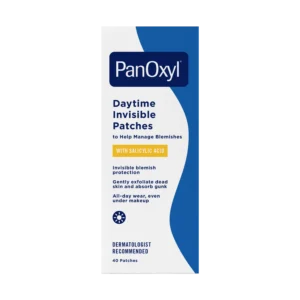
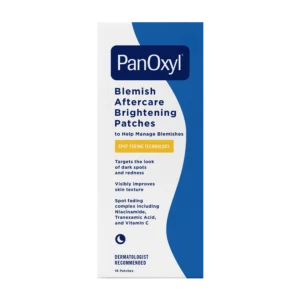
Treat your blemishes and protect your skin. On days when breakouts strike, on-the-spot solutions like blemish patches can help — PanOxyl’s Daytime Invisible Patches, for instance, use Salicylic Acid to exfoliate and unclog pores, and you can wear them alone or under makeup.
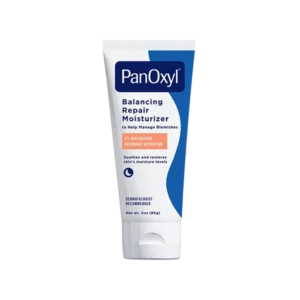
Rebalance and restore your skin barrier. Adult skin tends to be drier, especially around perimenopause and menopause, so you’ll need a moisturizer that’s hydrating but not oily. PanOxyl’s Balancing Repair Moisturizer helps maintain hydration, soothe skin, absorb excess oil, and even out skin tone.
Be consistent. It can take several weeks — or even longer, if you have hormonal acne — to see significant results from your acne treatment. Stick with your routine, and avoid switching products too quickly just because you aren’t seeing results yet.
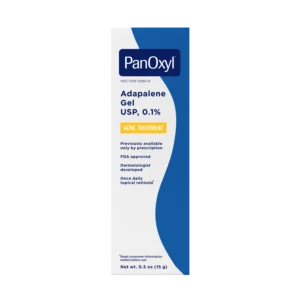
See a dermatologist. If, despite that consistency, your acne persists or worsens, talk to a dermatologist. They can help identify hormonal or medical causes and recommend a stronger, prescription treatment if you need it.
And it goes without saying as you battle your adult acne: Avoid picking and squeezing. Picking can push bacteria deeper, open the skin up for more bacteria, worsen inflammation, and cause scarring. It can be tough to resist the urge, but your skin will thank you. (A blemish patch like PanOxyl’s Daytime Invisible Patch can help by putting barrier between your fingers and your pimple.)
Put your best face forward.
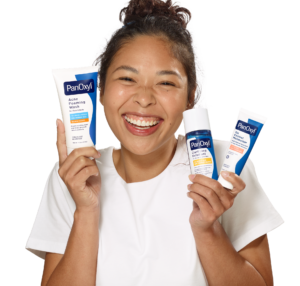
Adult acne can be unpleasant, uncomfortable, and inconvenient, but it isn’t uncommon — and it is treatable. Just be kind to your skin and your self-image — you notice your acne far more than anyone else does, and if you’re consistent with your treatment and your skincare, you can step out and face the world with confidence.